
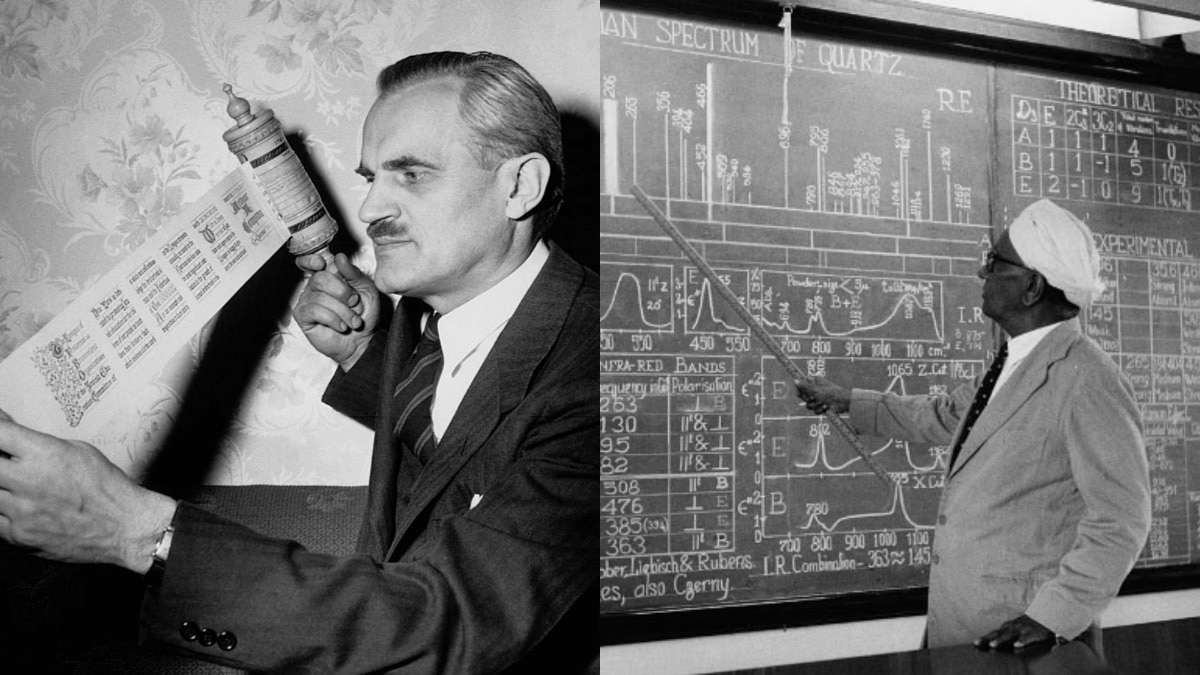
A hookah bowl and an US physicist: Calcutta's century-old link to Nobel discovery
The story in brief
In 1926, an American physicist arrived in Calcutta without the instrument needed to study cosmic radiation, but found a solution in a hookah bowl. The experiment, part of an expedition to Darjeeling, led to the Raman Effect, later recognized as a Nobel-winning discovery.