
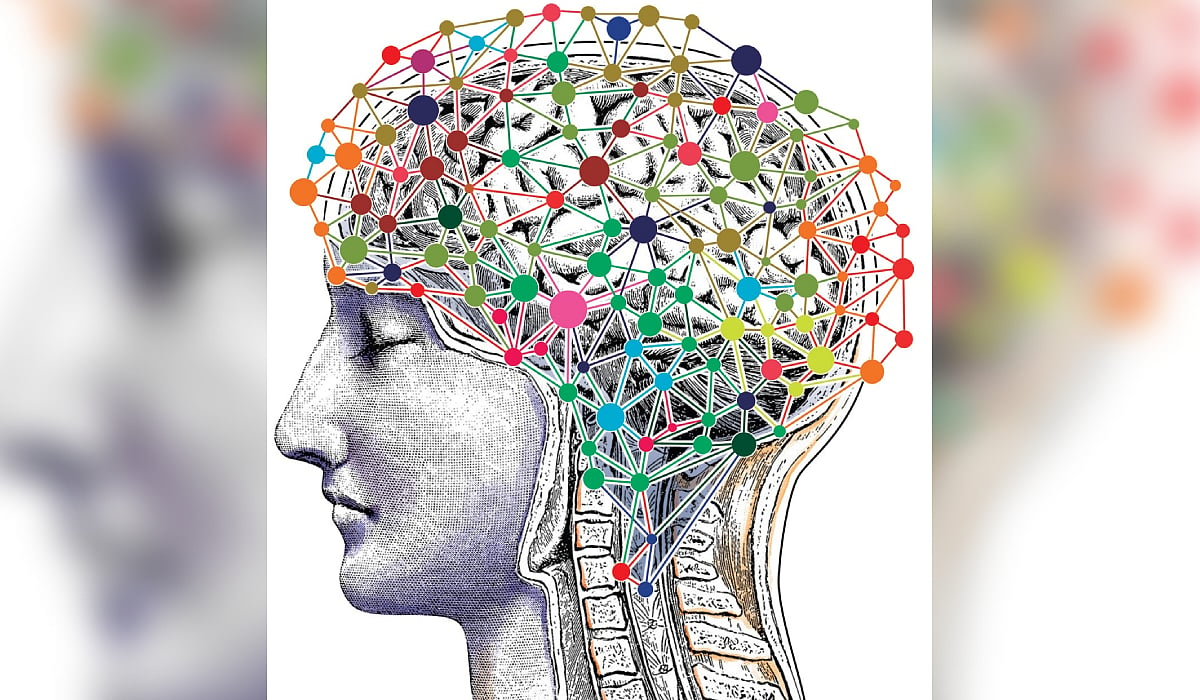
Stressed cells release vesicles that may communicate protective effects, research shows
The story in brief
A study shows stressed or damaged cells release extracellular vesicles with biological molecules that can communicate with other cells, offering new therapeutic possibilities and insights into neurological disorders. Conducted at the University of Kerala's neurobiology lab, the research is experimental and not yet a treatment. Findings suggest cells may use these vesicles as a communication mechanism under stress.